
 English
 Pусский
 العربية
 中文
中文

Fuente de alimentación a bordo para drones atados
Tethered Drone Onboard Power Supply Tethered drones are a specialized category of unmanned aerial systems (UAS) that rely on a physical tether to provide continuous power and data transmission instead of using onboard batteries. The onboard power supply system in a tethered drone is a critical component that ensures stable and efficient operation, particularly for long-endurance missions such as surveillance, communication relays, or security monitoring. Power Delivery Mechanism The primary power source for a tethered drone is an external ground-based generator or power supply, which transmits electricity through a conductive tether cable. The tether typically consists of lightweight, high-strength materials with embedded copper or other conductive wires to minimize power loss over distance. The onboard power management system (PMS) regulates the incoming voltage and current to match the drone’s operational requirements, ensuring stable power distribution to propulsion systems, avionics, and payloads. Key Components 1. Power Conversion Unit (PCU): Converts the high-voltage DC or AC power from the tether into usable voltages for motors, flight controllers, and sensors. 2. Voltage Regulators & Filters: Maintain consistent power levels, protecting sensitive electronics from fluctuations or noise. 3. Backup Power (Optional): Some systems integrate a small battery or capacitor to provide temporary power in case of tether disconnection. 4. Thermal Management: Efficient heat dissipation is crucial, as continuous power flow can generate excess heat in confined spaces. Advantages Over Battery-Powered Drones - Unlimited Flight Time: Unlike battery-powered drones, tethered systems can operate indefinitely as long as the ground power supply is active. - Higher Power Availability: Supports energy-intensive payloads like high-resolution cameras, radars, or communication repeaters. - Reduced Downtime: Eliminates the need for frequent battery swaps or recharging. Challenges - Tether Drag & Weight: The cable adds aerodynamic resistance and limits altitude and mobility. - Power Loss Over Distance: Longer tethers may experience voltage drop, requiring thicker conductors or higher input voltages. - Deployment Complexity: Ground power systems must be portable and reliable for field operations. Applications Tethered drones with onboard power supplies are ideal for persistent missions, including: - Border & Facility Surveillance - Disaster Response & Emergency Communications - Public Safety & Crowd Monitoring Conclusion The onboard power supply in a tethered drone is a sophisticated system that enables extended operations with reliable performance. By leveraging ground-based power, these drones overcome battery limitations while supporting high-power applications. Future advancements may focus on lighter tethers, smarter power management, and hybrid systems to enhance flexibility and efficiency.
Producto
Categoría:
-
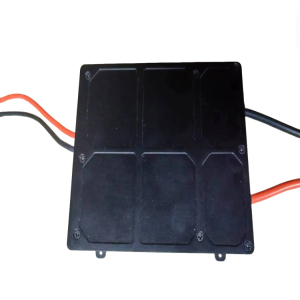
Fuente de alimentación a bordo para drones atados de 4000 W
Su clasificación: Fuente de alimentación para drones conectadosVistas: 69Número:Tiempo de liberación: 2025-11-06 17:52:12Potencia: 4000W Rango de voltaje de entrada: 380-850 Vcc
Noticias
Categoría:
-
[Company News]La guía definitiva para drones conectados: cómo funcionan y...
2025-11-07 13:53:50 -
[Company News]¿Cuánta energía consume realmente un dron atado?
2025-11-07 13:55:12 -
[FAQ]Fuente de alimentación de drones conectados para telecomunic...
2025-11-08 09:25:15 -
[FAQ]El futuro de las fuentes de alimentación conectadas a drones
2025-11-08 09:40:26 -
[Company News]Los sistemas de drones atados amplían las capacidades de mon...
2025-11-17 17:04:45
Caso
Categoría:
¡Sin resultados de búsqueda!
Video
Categoría:
¡Sin resultados de búsqueda!
Descargar
Categoría:
¡Sin resultados de búsqueda!
Reclutamiento
Categoría:
¡Sin resultados de búsqueda!
Productos recomendados
-
NEWS
Fuente de alimentación a bordo para drones atados de 4000 W
Conozca más



 Whatsapp
 Teléfono